Tree Cabling & Bracing Services in Grand Rapids, MI
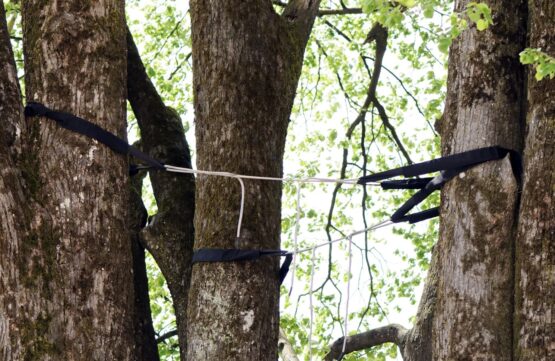
Grand Rapids Tree Service specializes in professional cabling & bracing systems that provide structural support for weak, split, or damaged trees on commercial and residential properties throughout Kent County. Our certified arborists install steel cables, dynamic support systems, and rigid bracing rods to reinforce compromised limbs, co-dominant stems, and trees with structural defects that pose safety risks. We follow ANSI A300 Part 3 standards for support systems, utilizing Extra High Strength (EHS) cable, lag hooks, and proper installation heights to preserve valuable trees while protecting people and property from potential failure.
Our tree support services include crown reduction cabling to minimize stress on heavy limbs, V-crotch reinforcement for trees with weak unions, and guy wire systems for newly planted or leaning specimens. We assess each tree's unique structure using advanced risk assessment protocols, determining whether static cabling, cobra bracing systems, or combined approaches provide optimal support. Whether you need emergency stabilization after storm damage, preventive support for historic trees, or multi-leader tree bracing, Grand Rapids Tree Service delivers engineered solutions that extend tree life while maintaining natural growth patterns. Our installations include regular inspection schedules and adjustments to ensure your supported trees remain safe, healthy, and structurally sound for years to come.
The Benefits of Cabling and Bracing for Tree Health and Safety in Grand Rapids
Enhancing Tree Health
One of the biggest benefits of cabling and bracing is improved overall tree health. By supporting weak unions and overextended limbs, these systems reduce strain on the tree’s structure and help prevent splitting or breakage. That added stability allows the canopy to develop more evenly, which can improve airflow and light distribution through the crown. For mature trees with long, heavy limbs or past storm damage, cabling and bracing can also minimize ongoing stress so the tree can direct more energy toward healthy growth and recovery.
Ensuring Safety
Urban trees often sit near homes, sidewalks, driveways, and power lines, so safety is a top priority. Cracked limbs, weak branch attachments, or heavy, unbalanced growth can create a real hazard—especially during high winds, ice, or heavy snow. Cabling and bracing help lower the risk of sudden branch failure by reinforcing vulnerable areas and distributing weight more safely across the tree. This reduces the chance of injury, protects nearby structures and vehicles, and can help prevent emergency removals after severe weather.
Extending Tree Life
Cabling and bracing can extend a tree’s lifespan by preventing the kind of major structural failure that often leads to removal. When weaknesses are addressed early—before a split, tear-out, or trunk crack worsens—the tree can continue to mature safely while maintaining its natural form. These systems are especially valuable for preserving large, established trees that provide shade, privacy, and curb appeal. Combined with routine inspections and targeted pruning, cabling and bracing help keep trees stable for years while protecting the long-term value of your landscape.
Common Misconceptions About Tree Cabling and Bracing Debunked
Tree cabling and bracing are proven techniques for improving stability and reducing the risk of limb or trunk failure, but they’re often misunderstood. Clearing up these misconceptions helps property owners choose the right solution—especially when the goal is preserving a valuable tree instead of resorting to removal.
Misconception #1: Cabling and Bracing Harm the Tree
Many people assume that adding hardware automatically damages a tree. In reality, when installed correctly, cabling and bracing are designed to support the tree’s natural structure and reduce stress on weak branch unions. Certified arborists use proper placement, appropriate materials, and industry best practices to minimize injury and help the tree remain stable as it continues to grow.
Misconception #2: Cabling and Bracing Are Only a Temporary Fix
Some believe these systems are just short-term “band-aids.” While they don’t replace proper pruning or ongoing care, a well-designed cabling or bracing system can provide long-term protection—often for many years. Regular inspections and adjustments help ensure the support continues to perform as the tree matures and changes.
Misconception #3: Only Severely Damaged Trees Need Cabling and Bracing
Cabling and bracing aren’t just for trees that are already splitting or failing. Preventive support is often recommended for trees that have multiple trunks, heavy extended limbs, or weak attachment angles—even if they look healthy today. Proactive installation can reduce storm risk, prevent future structural problems, and protect the tree before failure occurs.
Misconception #4: Cabling and Bracing Are Unnecessary or Not Worth the Cost
It’s easy to view cabling and bracing as an optional expense, but it can be a cost-effective alternative to major damage or removal. The price of a support system is often far less than the cost of emergency tree removal, roof or vehicle repairs, or cleanup after a large limb falls. For mature trees that add shade, privacy, and property value, stabilization is often a smart long-term investment.
Why Choose Grand Rapids Tree Service for Cabling and Bracing?
01
Certified Arborists Using ANSI A300 Part 3 Standards
Our certified arborists install cabling and bracing systems to ANSI A300 Part 3 guidelines, using proper placement, hardware selection, and installation heights to support weak unions and reduce failure risk.
02
Engineered Support Systems for Real Structural Defects
We reinforce co-dominant stems, split trunks, heavy lateral limbs, and V-crotch unions using the right solution for the tree, including EHS steel cable, rigid bracing rods, dynamic systems, and guying for leaning or newly planted trees.
03
Ongoing Inspections, and Long-Term Tree Protection
Every job starts with a structured risk assessment so the support plan matches the tree’s condition and site hazards. After installation, we provide inspection schedules and adjustments to keep the system effective and your property protected.
FAQs About Cabling & Bracing Services
Tree cabling and bracing is a structural support system installed by certified arborists to reinforce weak branches, split trunks, or unstable tree structures. Cabling involves installing flexible steel cables or synthetic rope between major limbs or trunks to limit movement and redistribute weight during wind, ice, and snow events. Bracing uses threaded steel rods bolted through weak unions, co-dominant stems, or split trunks to provide rigid support and prevent further splitting. These arboricultural techniques extend tree life, preserve valuable specimens, and protect property from potential limb failure without requiring removal.
Trees showing visible cracks or splits in major limbs or trunks, co-dominant stems with narrow V-shaped unions, heavy horizontal branches extending over structures, or significant lean toward buildings typically require cabling or bracing. Signs include bark separation at branch unions, previous storm damage, cavities or decay weakening structural integrity, and asymmetric canopies creating imbalanced weight distribution. Mature heritage trees like oaks and maples with multiple trunks often benefit from support systems. Grand Rapids Tree Service provides comprehensive risk assessments using ISA standards to evaluate structural weaknesses and recommend appropriate support solutions before failure occurs.
Tree cabling and bracing typically costs $300 to $1,500+ depending on tree size, number of cables or braces needed, and installation complexity. Single cable installations for moderate-sized trees generally run $300-$600, while multiple cables in large oaks or maples with several weak unions can cost $800-$1,200. Bracing systems using threaded steel rods are more labor-intensive and typically cost $500-$1,500 per installation. Trees requiring both cabling and bracing or extensive aerial work increase costs. Grand Rapids Tree Service offers free consultations where our certified arborists assess your tree's structural needs and provide detailed pricing.
Yes, cabling and bracing can often save structurally compromised trees that would otherwise require removal, especially valuable heritage specimens, mature shade trees, and healthy trees with isolated structural defects. Support systems stabilize weak unions, prevent progressive splitting, and extend tree life for decades when properly installed and maintained. Trees with minor to moderate structural issues, co-dominant stems, or heavy lateral branches respond well to cabling. However, trees with advanced decay, extensive root damage, or severe disease may still require removal despite support systems. Grand Rapids Tree Service evaluates whether cabling is a viable alternative to removal based on overall tree health and risk assessment.
Professional tree cabling systems typically last 10-15 years with proper inspection and maintenance, though high-quality steel cables can remain effective for 20+ years. Dynamic synthetic rope systems generally last 8-12 years before requiring replacement due to UV degradation and weathering from Michigan's seasonal extremes. Steel bracing rods are permanent installations that last the lifetime of the tree. Grand Rapids Tree Service recommends annual inspections of all cable and brace systems to check for wear, proper tension, and tree growth that may require adjustment. Hardware may need tightening or repositioning as trees grow, and cables showing rust, fraying, or loosening require immediate attention or replacement.