Tree Trimming & Pruning Services in Grand Rapids, MI
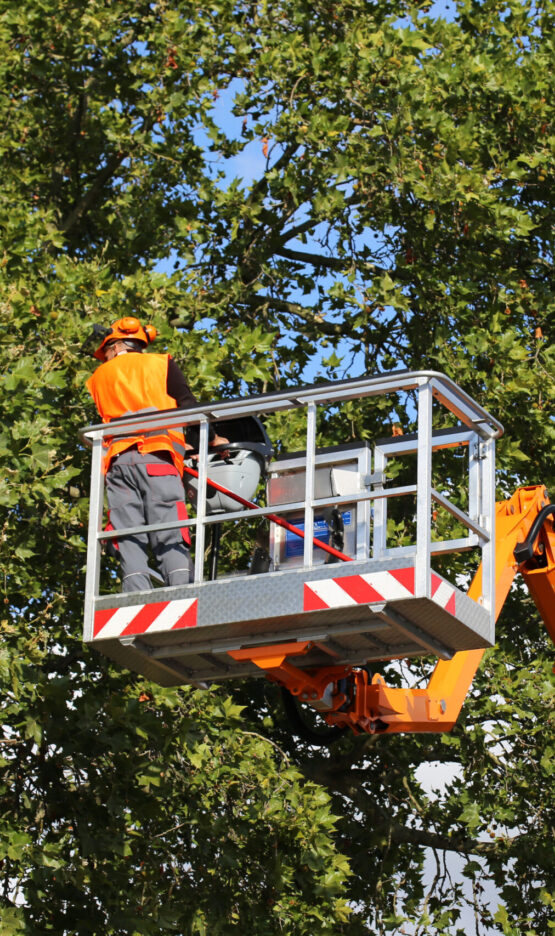
Grand Rapids Tree Service provides expert tree trimming & pruning services to maintain healthy, beautiful trees while enhancing safety and property aesthetics for commercial and residential properties throughout Kent County. Our ISA-certified arborists use proven pruning techniques including crown thinning, crown raising, and deadwood removal to improve tree structure, increase sunlight penetration, and reduce storm damage risk. We utilize professional pole saws, hand pruners, and aerial lift equipment to precisely trim trees of all species while following ANSI A300 standards for proper cuts that promote optimal healing and long-term tree health.
Our comprehensive trimming services address overgrown branches, clearance for rooflines and power lines, and vista pruning to enhance property views without compromising tree vitality. We perform seasonal ornamental tree pruning, fruit tree trimming to maximize production, and corrective pruning to eliminate crossing branches, suckers, and structural defects. Whether you need routine maintenance for residential landscapes or commercial property tree care, storm damage cleanup, or specialized care for valuable specimen trees, Grand Rapids Tree Service delivers meticulous work using sharp, sanitized tools and proper pruning cuts that protect against disease. Our tree care specialists remove all debris, leaving your landscape clean while ensuring your trees thrive for generations to come.
The Benefits of Regular Tree Pruning for Grand Rapids Property Owners
Regular tree pruning is essential for maintaining the health and beauty of your landscape. For homeowners in Grand Rapids, MI, this practice offers numerous advantages that go beyond mere aesthetics.
Improved Tree Health
Pruning helps prevent diseases by removing dead or diseased branches, thereby halting the spread of infections common to trees in Grand Rapids. It also aids in pest control by eliminating habitats for insects that can harm your trees. Moreover, pruning encourages healthy growth by allowing better air circulation and sunlight penetration, which are crucial for tree vitality.
Enhanced Property Aesthetics
A well-maintained tree can significantly enhance the visual appeal of your property. Pruning helps shape trees into attractive forms and promotes seasonal beauty, ensuring that your landscape looks its best year-round. By allowing more sunlight to reach your garden and lawn, pruning also supports the health of other plants and can even improve your home’s energy efficiency.
Safety and Risk Reduction
Removing hazardous branches reduces the risk of accidents, especially during Grand Rapids' stormy seasons. Proper pruning helps trees withstand strong winds and heavy snow, minimizing the likelihood of storm damage. This proactive maintenance also reduces homeowner liability associated with tree-related accidents.
Increased Property Value
Healthy, well-pruned trees can increase your property’s value by enhancing curb appeal and creating a welcoming environment for potential buyers. Investing in regular tree maintenance is a cost-effective way to ensure the longevity of your trees, making it a smart long-term investment.
Innovative Tree Trimming & Pruning Techniques We Use
Tree trimming is not just about cutting branches, it’s about using the right technique for the tree’s structure, health, and surroundings. In Grand Rapids, changing weather, compacted soils, and tight urban spaces can all affect how trees grow and how safely they can be maintained. That’s why we rely on modern pruning methods designed to reduce risk, improve long-term tree health, and protect nearby homes, roads, and utilities.
Air Spading
Air spading is a technique that uses compressed air to remove soil from around tree roots without damaging them. This method is especially useful for root collar excavation, relieving soil compaction, and evaluating root systems. In Grand Rapids, it’s often used in areas where urban soils are packed down from foot traffic, vehicles, or construction. By exposing the root zone safely, we can identify girdling roots, improve oxygen flow, and recommend soil improvements that support stronger root health.
Crown Reduction
Crown reduction involves selectively removing branches and stems to decrease the overall size of a tree’s canopy. This technique helps trees that have outgrown their space or pose a risk to nearby roofs, fences, or windows. In Grand Rapids, crown reduction is commonly used for large residential trees to reduce wind resistance and lessen storm-related limb failure. When done correctly, it preserves the tree’s natural shape while reducing stress on heavy limbs and encouraging more balanced growth.
Pollarding
Pollarding is a historic pruning technique adapted for modern urban forestry. It involves cutting back branches to a specific height to promote a dense head of new growth. This method is especially helpful for controlling size in tight spaces such as sidewalks, small yards, and streetscapes in Grand Rapids. Because it requires consistency, pollarding is typically done on a routine cycle to maintain structure, reduce weight on limbs, and keep the tree within predictable size limits.
Directional Pruning
Directional pruning guides tree growth away from obstacles such as power lines, buildings, and roadways. It involves strategic branch removal to encourage future growth in a safer direction while maintaining a stable canopy. In Grand Rapids, directional pruning is important for reducing utility conflicts and improving clearance over driveways and sidewalks. This technique can also help correct uneven growth, reduce rubbing branches, and prevent recurring problems that lead to repeated trimming.
Why Choose Grand Rapids Tree Service for Tree Trimming and Pruning?
01
ISA-Certified Arborists and ANSI A300 Standards
Our ISA-certified arborists use proven pruning methods such as crown thinning, crown raising, and deadwood removal while following ANSI A300 standards to protect tree health, improve structure, and reduce storm damage risk.
02
20 Years of Local Experience in Kent County
With 20 years of tree care experience across Grand Rapids and Kent County, we understand local tree species, seasonal timing, and Michigan weather patterns so your trees stay safe, healthy, and attractive.
03
Professional Equipment and Clean, Detailed Finish
We use professional pole saws, hand pruners, and aerial lift equipment for precise trimming near rooflines, sidewalks, and power lines. We also haul away debris and leave your property clean when the work is done.
FAQs About Tree Trimming & Pruning Services
Tree trimming costs typically range from $250 to $1,500+ depending on tree size, number of trees, and complexity of the work. Small trees under 30 feet usually cost $250-$500, medium trees between 30-50 feet run $500-$900, and large mature oaks or maples over 50 feet can cost $900-$1,500 or more. Services like crown reduction, deadwood removal, and canopy thinning affect pricing, as does accessibility for bucket trucks and aerial lifts. Grand Rapids Tree Service provides free estimates with detailed assessments from ISA certified arborists who evaluate your specific trimming needs and provide transparent pricing.
The best time to trim most trees in Michigan is during late winter or early spring (February through April) while trees are dormant before new growth begins. Dormant season pruning minimizes stress, reduces disease transmission, and allows for better visibility of branch structure without foliage. However, dead or hazardous branches should be removed immediately regardless of season. Oak trees require special timing—avoid trimming between April and July to prevent oak wilt disease spread. Grand Rapids Tree Service follows proper seasonal guidelines and uses sterilized cutting tools to protect tree health year-round.
Tree trimming generally refers to cutting back overgrown branches for aesthetic purposes, safety clearance, and maintaining shape, while pruning is more targeted removal of specific branches to improve tree health and structure. Pruning involves selective cuts to remove dead, diseased, or crossing branches, enhance air circulation, and direct growth patterns using proper techniques like crown thinning and structural pruning. Trimming often focuses on hedges, shrubs, and maintaining size. Both services utilize hand pruners, pole saws, and chainsaws, but pruning requires deeper arboricultural knowledge to promote long-term tree vitality and proper wound closure.
Most mature trees benefit from professional pruning every 3-5 years to maintain health and structure, while younger trees may need attention every 2-3 years to establish proper form. Fast-growing species like willows and poplars often require annual trimming, whereas slow-growing hardwoods like oaks need less frequent maintenance. Trees near structures, power lines, or high-traffic areas should be inspected annually for safety pruning needs. Fruit trees require yearly dormant pruning to maximize production. Grand Rapids Tree Service recommends scheduling regular assessments with our certified arborists to develop customized maintenance plans based on species, age, location, and health conditions.
Yes, proper tree trimming significantly reduces storm damage risk by removing weak, dead, or overextended branches that are vulnerable to high winds, ice accumulation, and heavy snow loads common in Michigan winters. Crown thinning improves wind flow through the canopy, reducing sail effect during storms, while structural pruning eliminates co-dominant stems and weak branch unions prone to splitting. Removing deadwood prevents falling limbs during severe weather events. Grand Rapids Tree Service uses proven pruning techniques to strengthen tree structure, reduce weight on vulnerable branches, and create balanced canopies that withstand seasonal storms, ice, and wind damage more effectively.