Tree Removal Services in Grand Rapids, MI
Grand Rapids Tree Service delivers professional tree removal solutions for commercial and residential properties throughout Kent County. Our certified arborists assess each situation to determine the safest removal method, whether dealing with hazardous trees, diseased specimens, or trees interfering with construction projects. We utilize specialized equipment including aerial lifts, rigging systems, and professional-grade Stihl chainsaws to safely dismantle trees of any size while protecting your landscape, structures, and underground utilities from damage during the removal process.
Our comprehensive tree removal services include stump grinding, wood chipping, complete debris hauling, and site cleanup to leave your property pristine. We handle challenging removals near power lines, tight spaces between buildings, and large tree removal requiring crane-assisted techniques for precision control. Whether you need dead tree removal, clearing for new construction, or eliminating trees with root damage threatening foundations, our Grand Rapids team provides fully insured services with free estimates and transparent pricing. We follow ISA standards for safe tree work, obtain necessary permits, and ensure every removal protects your property while enhancing your outdoor space for future landscaping goals.
Our Eco-Friendly Tree Removal Practices in Grand Rapids, MI
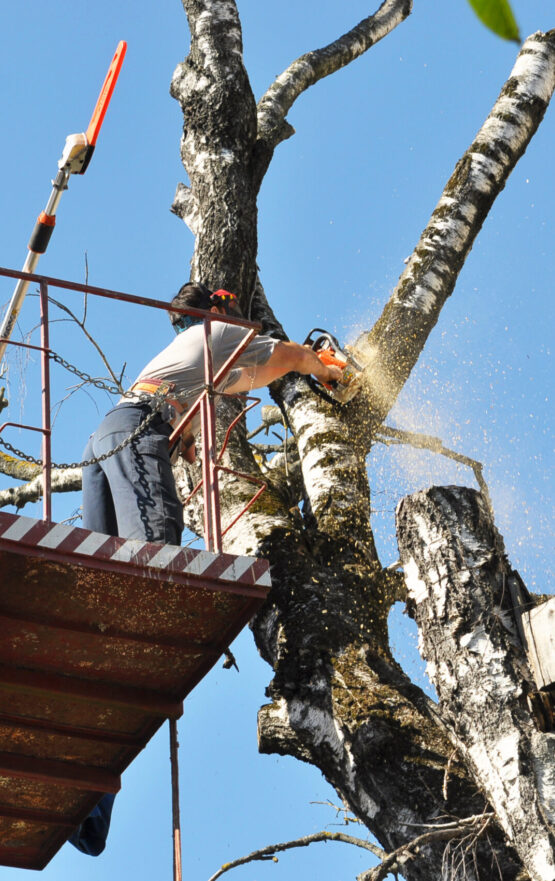
In Grand Rapids, balancing urban development with environmental sustainability is vital. Eco-friendly tree removal practices play a crucial role in this effort, ensuring that tree removal has minimal impact on the environment.
Eco-friendly tree removal begins with assessing the need for removal. Trees that are diseased, pose safety risks, or affect surrounding vegetation are prime candidates. Using precision cutting and advanced machinery, professionals ensure that the removal process minimizes soil compaction and damage to surrounding areas.
Recycling and reusing tree materials are essential components of sustainable tree removal. Trees can be repurposed into mulch, compost, or even crafted into furniture or art. Local companies in Grand Rapids specialize in these recycling processes, turning potential waste into valuable resources.
Protecting the surrounding ecosystem is another critical aspect. Tree removal services create buffer zones and use protective barriers to safeguard nearby plants and wildlife. Scheduling removals to avoid disrupting local fauna also contributes to an eco-friendly approach.
Proper disposal of tree debris is handled responsibly, with composting and mulching being preferred methods. Partnering with local recycling centers ensures that debris is processed sustainably, benefiting the community and environment.
Choosing an eco-friendly tree removal service involves looking for certifications such as the Sustainable Forestry Initiative (SFI) and ensuring the company complies with local regulations. Selecting a service that prioritizes sustainability not only benefits the environment but also enhances property value and community aesthetics.
Common Tree Diseases in Grand Rapids and How Removal
Services Can Help
Trees add beauty and environmental value across Grand Rapids, but they can also be vulnerable to diseases and pests that threaten their health and stability. Spotting problems early helps prevent major damage and reduces safety risks on your property.
Dutch Elm Disease
Dutch Elm Disease disrupts a tree’s vascular system, limiting its ability to move water and nutrients. As the disease progresses, leaves may wilt, branches can die back, and the tree may eventually decline beyond recovery.
Oak Wilt
Oak Wilt also affects the vascular system, often causing rapid wilting and dieback in susceptible oaks. Because it can spread, early identification and professional evaluation are important for protecting nearby trees.
Emerald Ash Borer Infestation
Emerald Ash Borer is an invasive pest that kills ash trees by boring beneath the bark and damaging the tissues responsible for transporting nutrients. Over time, infestations weaken the tree and can lead to structural failure.
Apple Scab
Apple Scab is a fungal disease that commonly causes leaf spotting and discoloration. It can trigger early leaf drop, which reduces the tree’s ability to photosynthesize and gradually weakens overall health.
Anthracnose
Anthracnose is another fungal issue that can cause blotchy leaf discoloration, curling, and premature leaf drop. Repeated infections may stress the tree, especially when combined with drought, poor soil conditions, or other environmental factors.
Seasonal Tree Care Tips to Avoid Resorting to Tree Removal Services
Caring for your trees year-round helps prevent decline, storm damage, and disease—issues that can eventually lead to removal. In Grand Rapids, shifting seasons can stress trees in different ways, so adjusting your care routine throughout the year is key.
01
Spring Tree Care
- Inspect for winter damage: Check for dead, cracked, or broken branches left behind by snow, ice, or wind.
- Prune for healthy growth: Spring pruning encourages new growth. Remove deadwood and lightly shape the canopy to improve overall structure.
- Fertilize to restore nutrients: Feed the soil to support spring growth and help trees recover from winter stress.
- Manage early pests and diseases: Use preventive monitoring and treatments to address common spring pests and disease pressure before it spreads.
02
Summer Tree Care
- Water deeply during heat and dry spells: Deep watering supports root health. Water early in the morning or late evening to reduce evaporation.
- Mulch to retain moisture and cool roots: Apply mulch to help soil hold moisture and keep root zones cooler during peak heat.
- Prepare for storms: Reduce storm risk by pruning weak or vulnerable limbs. Consider cabling or support for trees that need extra stability.
- Watch for summer pests: Stay alert for insect activity and treat issues promptly to prevent long-term damage.
03
Fall Tree Care
- Clean up fallen leaves: Rake and compost leaves to keep the yard tidy and support healthier soil.
- Prune to shape and prepare for dormancy: Fall pruning can help guide structure and reduce problems heading into winter.
- Fertilize before the cold season: A fall feeding strengthens trees and supports root development before the ground freezes.
- Prevent fall pests and diseases: Continue monitoring and prevention to reduce late-season infestations and fungal issues.
04
Winter Tree Care
- Protect young trees from frost damage: Wrap young or vulnerable trees to reduce the risk of frost cracking and winter injury.
- Monitor snow and ice buildup: Regularly check for heavy snow or ice that can cause limbs to snap. Address buildup safely to prevent breakage.
- Prune during dormancy: Winter is often an ideal time for pruning because trees are dormant and structure is easier to evaluate.
- Water during thaws: If the ground isn’t frozen, water during winter warm-ups to help keep roots hydrated.
FAQs About Tree Removal Services
Tree removal costs typically range from $300 to $3,000+ depending on size, location, and complexity. Small trees under 30 feet usually cost $300-$800, medium trees between 30-60 feet run $800-$1,500, and large trees over 60 feet can cost $1,500-$3,000 or more. Factors affecting price include trunk diameter, proximity to structures, accessibility for equipment like bucket trucks or cranes, and whether stump grinding is included. Grand Rapids Tree Service provides free on-site estimates with transparent pricing and no hidden fees for residential and commercial properties throughout Kent County.
In Grand Rapids, permits are generally not required for removing trees on private residential property. However, removing trees within city right-of-ways, heritage trees with significant historical value, or trees in protected areas may require approval from the City of Grand Rapids Forestry Division. Street trees owned by the city cannot be removed without authorization. Grand Rapids Tree Service is familiar with local ordinances and can help determine if your tree removal requires permits, ensuring compliance with municipal regulations before any cutting begins.
Professional tree removal includes a comprehensive assessment by ISA certified arborists, safe sectional dismantling or felling of the tree, limb removal, trunk cutting, and complete debris cleanup. Our service involves using specialized equipment like chainsaws, rigging systems, wood chippers, and aerial lifts to safely remove trees without damaging surrounding property. We protect your lawn with ground protection mats, remove all branches and wood from your property, and rake the area clean. Stump grinding is available as an add-on service to complete the removal process and restore your landscape.
Most standard tree removals take 2-6 hours depending on tree size and complexity. Small ornamental trees under 25 feet can be removed in 1-2 hours, while medium-sized maples or oaks may require 3-4 hours. Large trees over 60 feet, especially those near structures requiring careful rigging and crane work, can take 6-8 hours or a full day. Multiple trees or challenging locations with limited access extend timeframes. Grand Rapids Tree Service provides accurate time estimates during your free consultation based on specific site conditions and tree characteristics.
Yes, Grand Rapids Tree Service specializes in removing trees near structures and utility lines using advanced rigging techniques and precision cutting methods. For trees close to homes, we use ropes, pulleys, and sectional dismantling to lower branches and trunk sections safely without causing damage. Trees involving power lines require coordination with Consumers Energy to temporarily de-energize lines or maintain safe clearance distances. Our crew holds certifications for working near electrical hazards and uses insulated equipment when necessary to protect both workers and your property during complex removals.